
Productive meetings don't always have to be serious. Sometimes, you need to balance things out with a relaxed atmosphere—especially when the discussion has been overly intense.
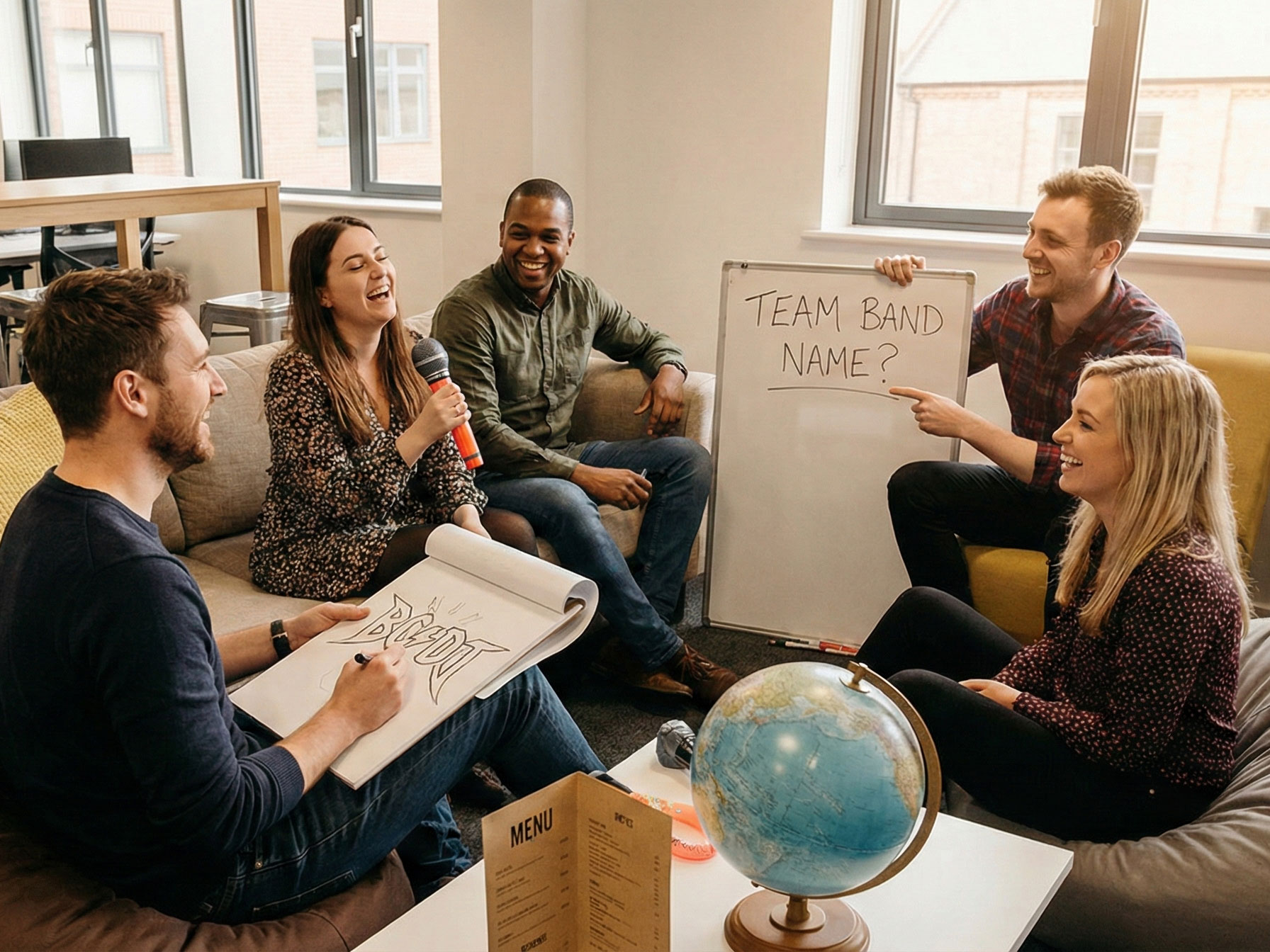
Here are a few "WHAT IF..." questions to make team meetings more fun, creative, and imaginative:
These questions work great as icebreakers, too. Which one are you planning to try?
Team cohesion isn't just about familiarity — it's also about understanding how each team member naturally behaves, gets motivated, and collaborates. Cavlent helps leaders understand these patterns through behavioral team mapping.
→ Explore Cavlent's solutions for team synchronization and development
You might also find these useful:
→ Why healthy conflict actually generates the best ideas in a team
→ Case study: team mapping summary for a holistic view of collective team patterns
→ How to see your organization more completely — beyond individuals to shared patterns
Frequently Asked Questions
Why do reflective questions help strengthen team cohesion?
Questions like “what if…” encourage team members to think from different perspectives, step outside their routines, and share viewpoints that rarely surface in regular work meetings. This builds mutual understanding — the foundation of lasting team cohesion.
When is the right time to use reflective questions with a team?
Reflective questions work best outside of operational pressure — for example, in team building sessions, monthly retrospectives, or informal discussions. When the team isn’t in “problem-solving mode,” they’re more open to thinking creatively and honestly.
What is the connection between team cohesion and business performance?
Cohesive teams have higher levels of trust among members — this speeds up decision-making, reduces miscommunication, and increases willingness to support each other under pressure. Cohesion isn’t just about good relationships; it’s the foundation of effective execution.
Can team cohesion be measured or mapped?
Indirectly, yes. The collective behavioral patterns of a team — such as motivation distribution, collaboration tendencies, and how members interact under pressure — can give a picture of how solid team dynamics really are. Behavioral mapping helps identify areas that need strengthening to build more consistent cohesion.