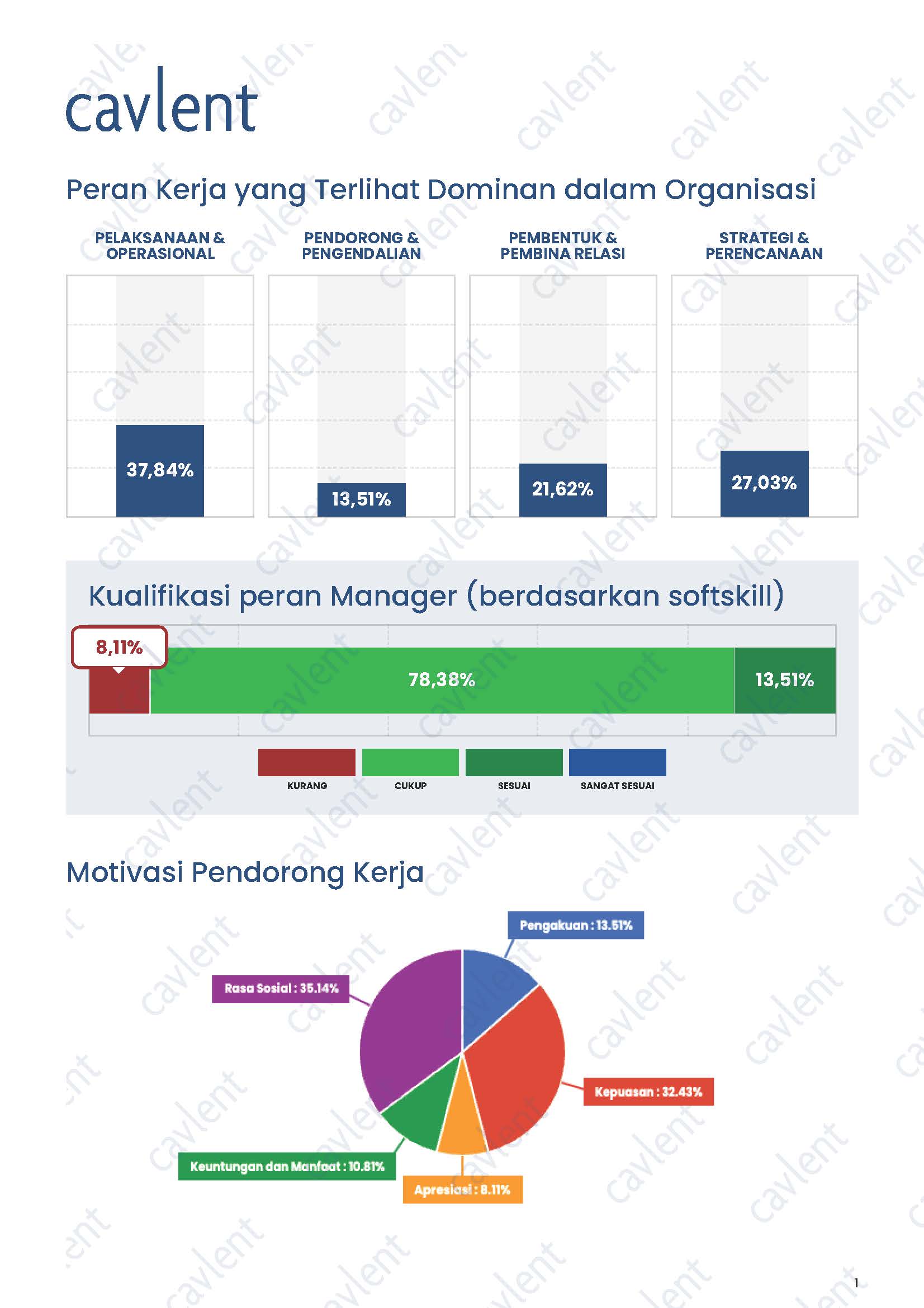


Identify 1-2 individuals strong in driving and controlling roles to help maintain workflow and consistency in the team's direction
Since the team is socially motivated, communicate targets within the context of impact. For example: "This design helps a family have a comfortable living space" rather than just "the client wants this done this week.
Ask simple questions like: "What work moment made you proudest this month?" Their answers can uncover insights, build connection, and activate bottom-up initiative.
It doesn't have to be digital; a simple format (physical or file) linking daily tasks to the big picture works well. This helps the team feel connected to organizational progress without needing constant supervision.
It serves as a foundation for restructuring roles—not based on job titles, but on actual work patterns—ensuring HR relevance to the organization's goals and strategic direction.
It helps identify cultural bottlenecks that are invisible in the formal structure.
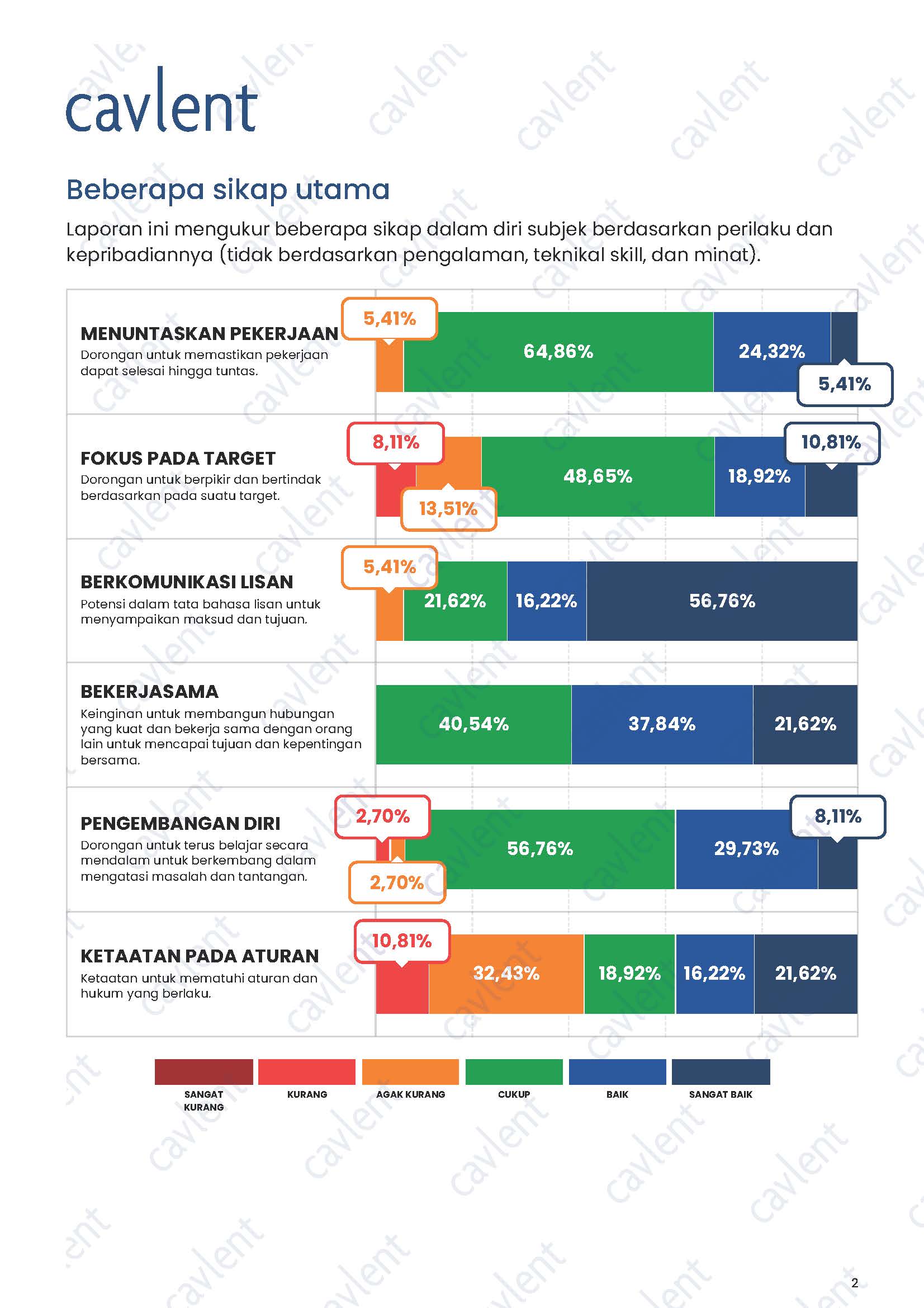
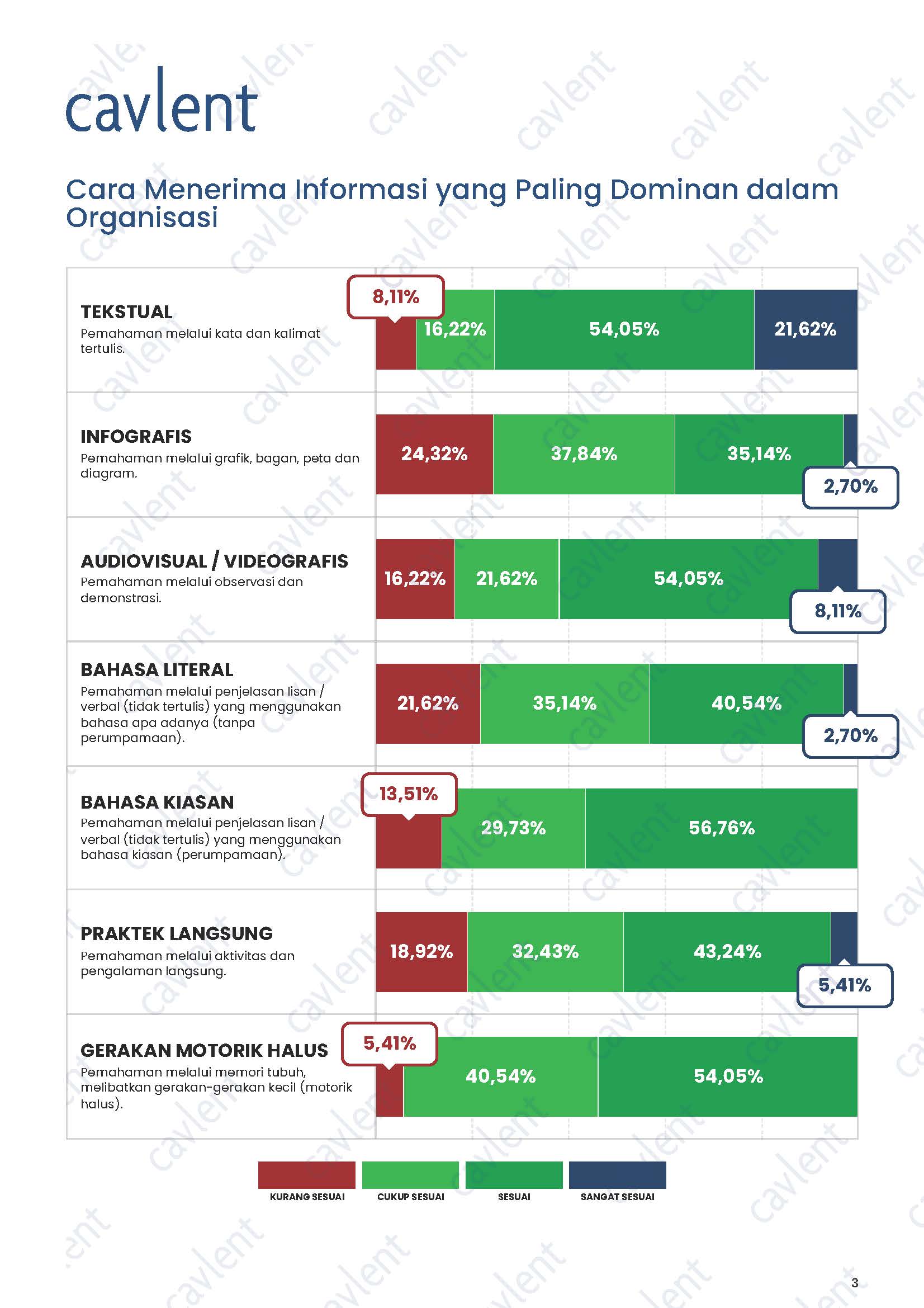
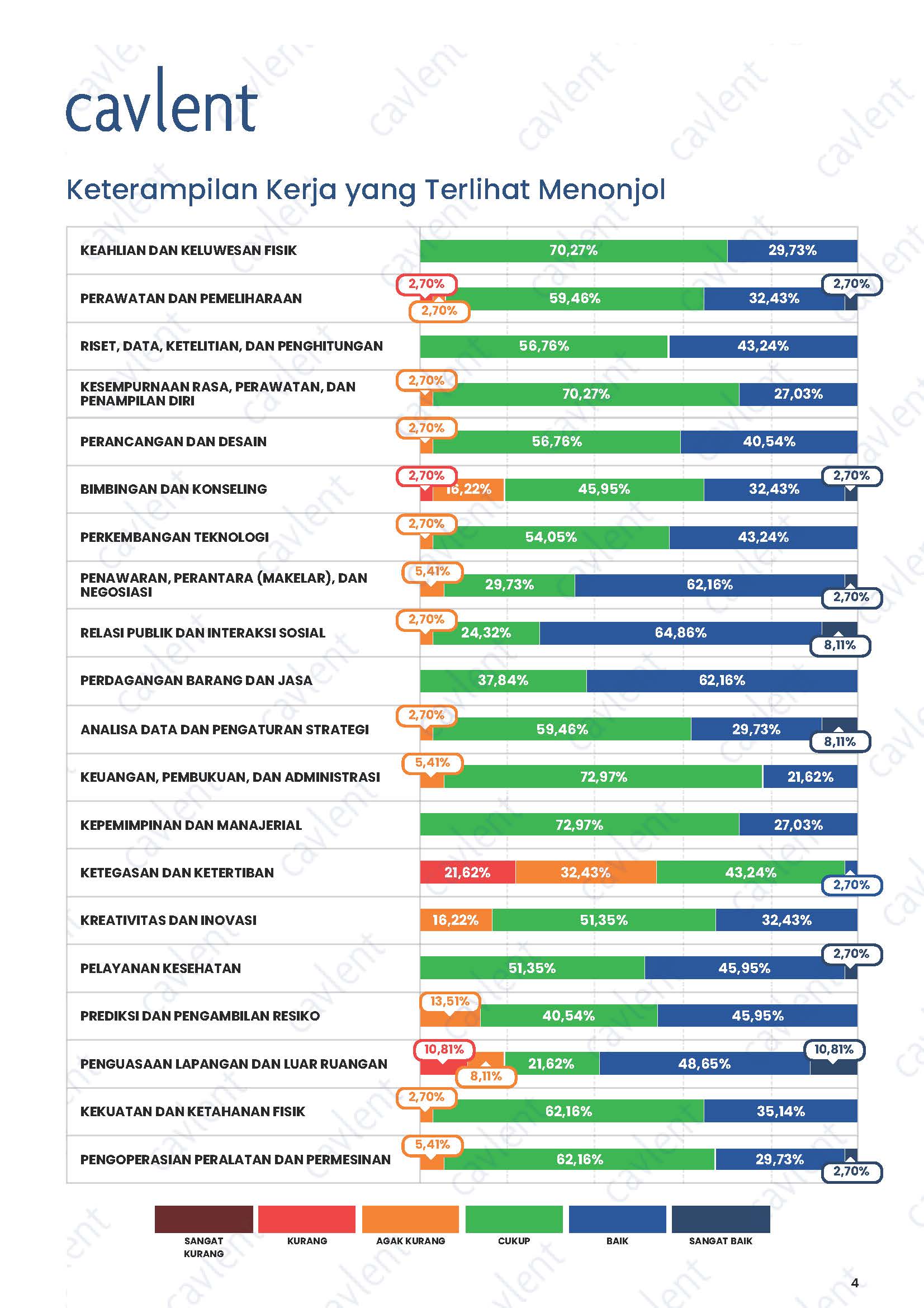
It reveals dominant team motivations and how the majority receives information, aiding in internal communication strategies, training, and learning development.
It avoids approaches that are disconnected from the team culture.
For decision-makers prioritizing speed and precision, Cavlent is a transformation navigator offering behavior-based team mapping. We identify soft skill mismatches and hidden risks in team dynamics through same-day insights, compared to traditional methods that are time-consuming and rely on manual processes.
For more information, contact:
Cavlent helps organizations understand collective team patterns — not just individual by individual — as a foundation for more targeted restructuring, development, and people strategy decisions.
→ Explore Cavlent's solutions for team mapping and organizational diagnostics
You might also find these useful:
→ Case study: key persons mapping to identify critical individuals in an organization
→ When people data is already available but organizational change still stalls
→ How to see your organization more completely: forest and tree at the same time
Frequently Asked Questions
What is a Team Mapping Summary, and how is it different from an individual assessment?
A Team Mapping Summary is a report that captures the collective behavioral patterns and potential of an entire team — not individual by individual. The focus is on role distribution, dominant motivations, and systemic gaps that aren’t visible when looking at people one at a time. This makes it a far stronger foundation for restructuring and team development decisions.
Why does a team that looks busy still end up needing constant corrections mid-project?
Based on this case study, busyness doesn’t always mean the right direction. When a team’s role distribution is heavily weighted toward execution but weak on control, the team moves fast without enough oversight — making mid-course corrections a recurring pattern rather than an exception.
How do you motivate a team that is primarily driven by social motivation?
A purely numbers-and-targets approach is less effective for teams with dominant social motivation. What tends to work better is communicating the meaning behind the work — its impact on clients, the community, or the team itself. When team members feel their work is socially meaningful, engagement and initiative increase naturally.
What is a “cultural bottleneck” in an organization?
A cultural bottleneck is a barrier rooted in how a team thinks, communicates, and moves — not in formal structure or SOPs. It doesn’t show up on an org chart, but it’s deeply felt in daily operations: slow coordination, delayed decisions, or new initiatives that struggle to gain traction.
When is the right time for a company to conduct Team Mapping?
Ideally before major decisions — such as expansion, restructuring, mass hiring, or launching a new strategy. But Team Mapping is equally relevant when recurring symptoms appear: teams out of sync, stagnant performance, or the owner still having to intervene in day-to-day operations.