Case Study: SPV & Manager Team Diagnostic in the Retail Industry | Cavlent

Case Study: SPV & Manager Team Diagnostic in the Retail Industry

"Is my Manager actually acting like a Supervisor?"

The Context

Organization Profile

  • Industry Context: A company operating in the retail industry, relying on strict daily operational oversight, the ability to manage frontline teams, and coordination between operations, sales, and supply chain.
  • OD Initiative: In the current year's Organizational Development (OD) initiative, the company conducted mapping for Supervisors and Managers (approx. 51 individuals) to understand:
    • Leadership readiness.
    • Behavioral strengths and blind spots.
    • Role fit regarding operational demands.
    • Areas requiring coaching intervention and restructuring.

Challenges Faced

  • Unstable Performance: High variation in performance between branches/areas.
  • Lack of Control: Supervisors do not consistently carry out daily control and execution functions.
  • Weak Drive: Managers have not provided sufficient leadership drive.
  • Slow Decisions: High operational workload results in slow decision-making.
  • Owner Dependency: The Owner/Board still has to intervene in cross-departmental coordination.
  • Role Mismatch: Indications of a mismatch between individual leadership styles and the role requirements, which demand firmness, a fast work rhythm, and cross-team communication skills.

Management Expectations Before Cavlent Mapping

Behavioral mapping was conducted on ±51 SPVs and Managers to validate root causes before the company determines OD intervention steps:
  • Do Supervisors & Managers already possess behavioral patterns suitable for roles demanding control, execution, and coordination?
  • Do performance gaps arise from skills, mindset, or a behavioral mismatch?
  • Who is ready to step up, who needs intensive coaching, and who is fundamentally unsuitable for a supervisory role?
  • Do the structure and scope of work need adjustment?
  • How can a relevant coaching program be designed based on behavioral data, not just perception?
Disclaimer
  • This report maps soft skill tendencies and behaviors, not the technical abilities or experience of the team, to understand the macro patterns currently occurring.
  • The data displayed reflects current behavioral tendencies, which may change according to context, experience, and work environment. Thus, this is not a permanent label, but baseline data to view work patterns.
  • OD & restructuring decisions must still consider business goals, company culture, financial conditions, current priorities, and other external considerations.
  • Cavlent functions as an initial data navigator, not the sole basis for promotion, demotion, or placement.

Key Findings from Cavlent Mapping

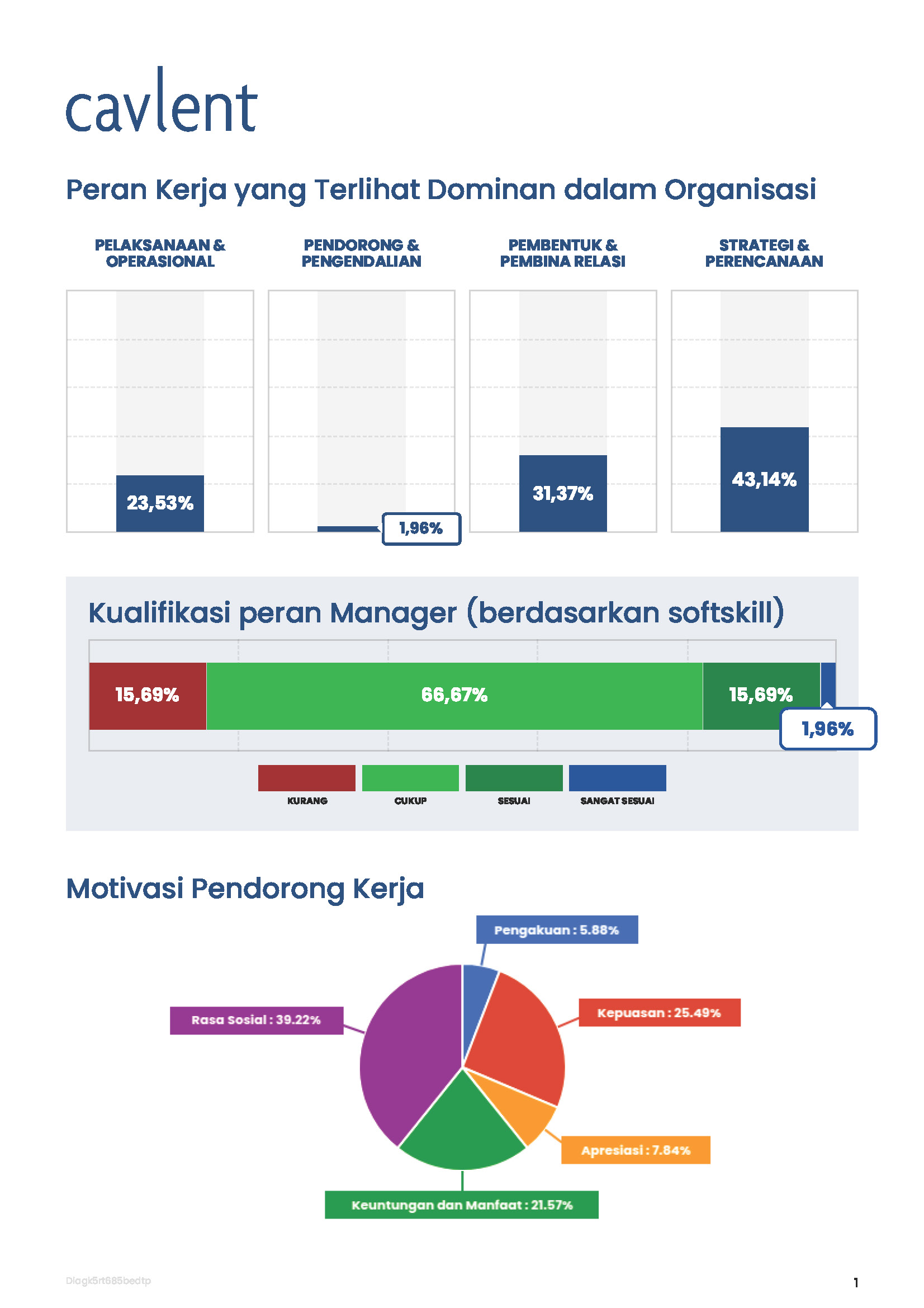
Work Roles are Dominated by 'Strategic' Profiles (43.14%), Not 'Controlling'

  • Role Distribution: Strategic 43.14%, Execution 23.53%, Relationship 31.37%, and Controlling 1.96% (almost non-existent).
  • Supervisors & Managers in this industry turn out to be patterned more as planners than controllers. They can see the big picture, but the rhythm of daily control is weak, execution discipline is inconsistent, and monitoring functions do not run optimally.
  • With the 'Controlling' role at only 1.96%, it means the SPV/Manager functions meant to maintain SOPs, team discipline, and report accuracy do not happen naturally. This is the root cause of why many owners feel: "There is already a Supervisor, but I still have to be the one checking."

Managerial Qualifications Dominated by 'Adequate' Level (66.67%)

  • The majority of SPVs/Managers possess basic potential but are not yet mature in 3 key aspects: decision-making, building work urgency, and managing escalations and conflict.
  • This explains why the middle-management team sometimes fails to act as "strategic message conduits" from top to bottom, often delays decisions, and fails to be an effective extension of management.

Work Motivation Dominated by Social Motivation (39.22%)

  • The majority are motivated by relationships and togetherness, rather than targets, competition, or financial rewards.
  • Management approaches that rely too heavily on rewards, target-based KPIs, or penalty systems will be less effective if the primary motivation is social connection.
  • This creates a middle-management pattern that tends to be less aggressive regarding results.

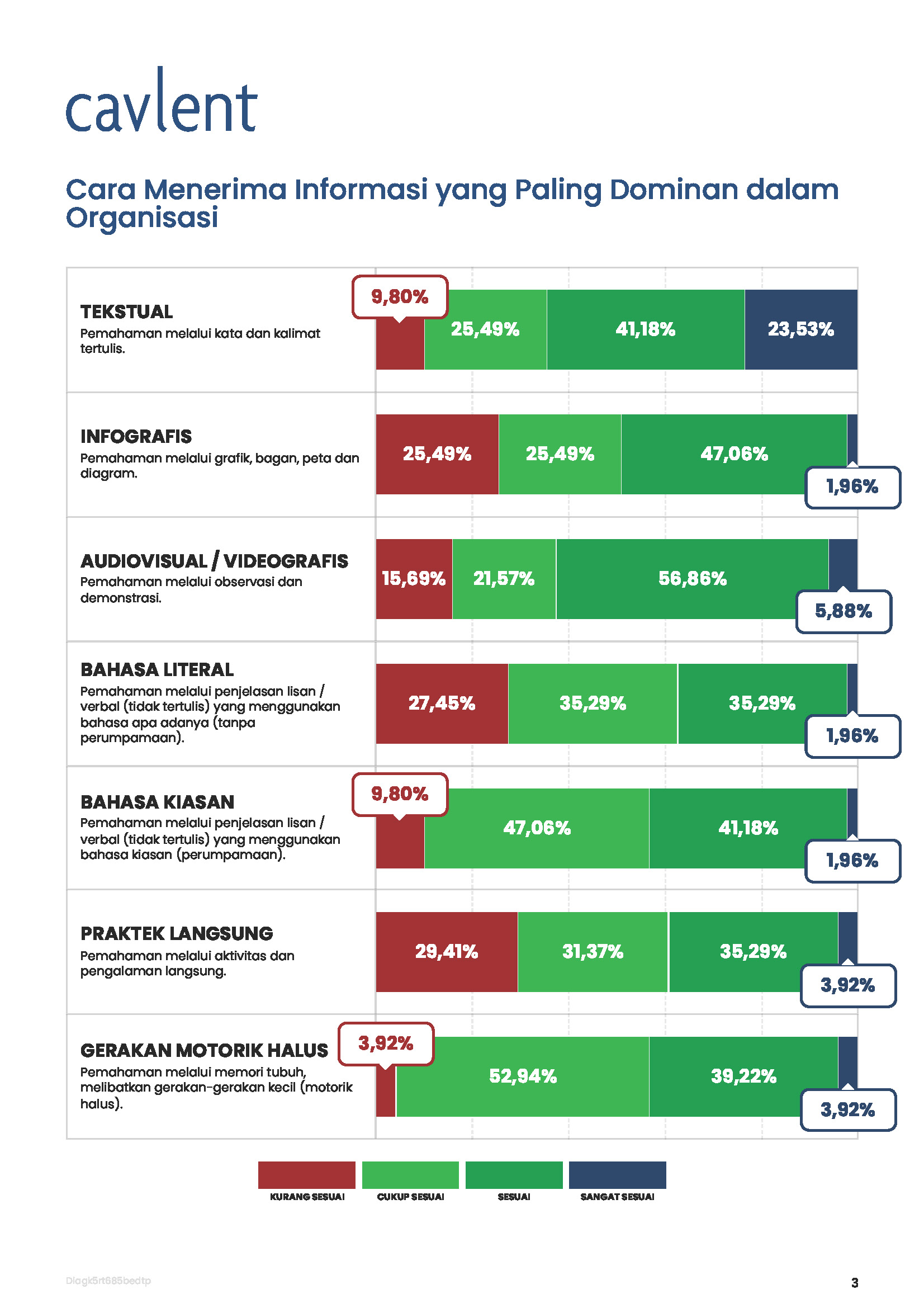
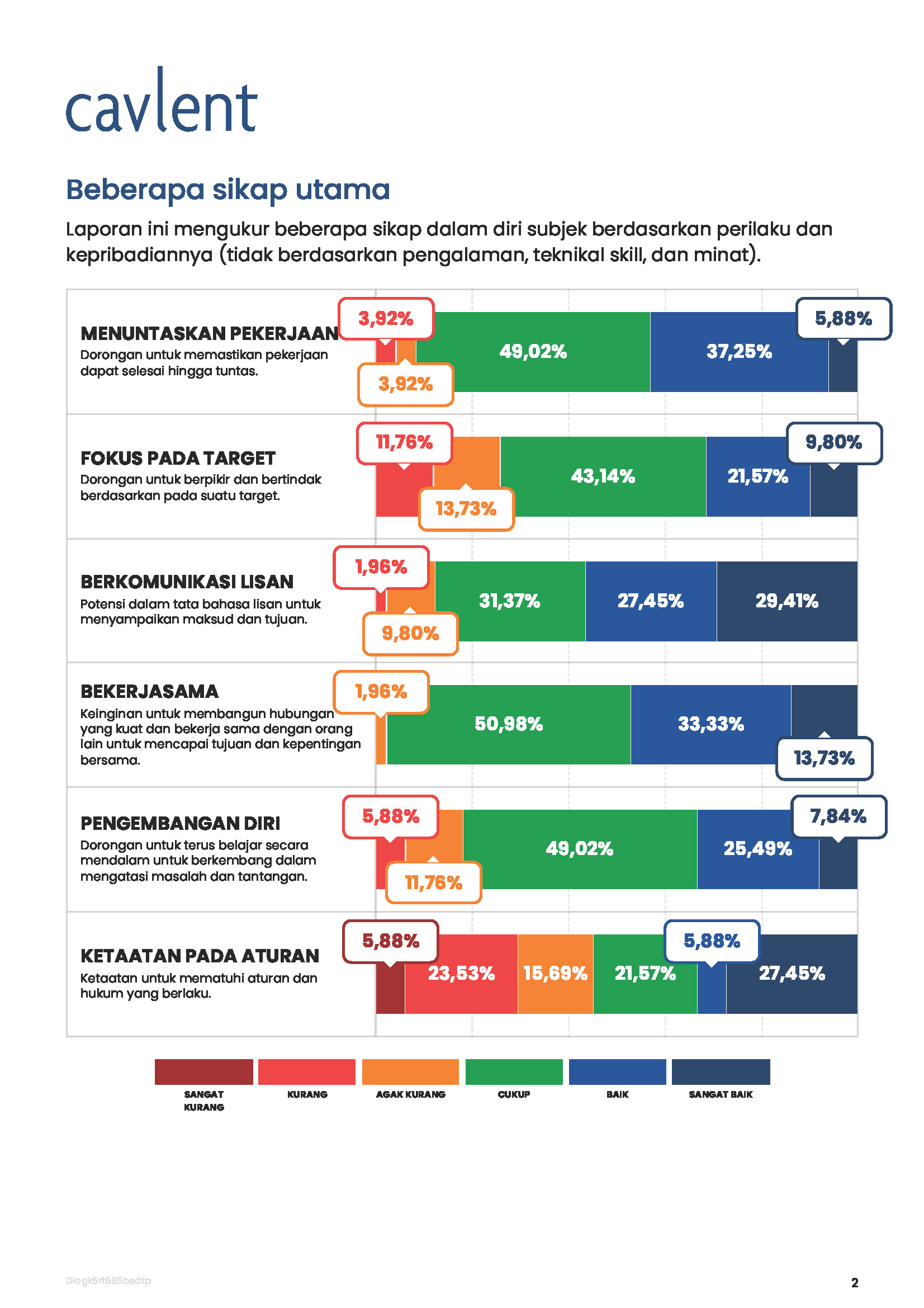
Mindset: Moderate Finishing & Targets, but Weak Rule-Following

  • Supervisors & Managers are quite good at completing work, but lack drive in chasing targets, show low growth mindset, and are relatively undisciplined regarding rules and SOPs.
  • In the retail industry, weak rule-following causes SOPs to be implemented inconsistently across areas, differing work standards per branch, and difficulty in standardizing operations.

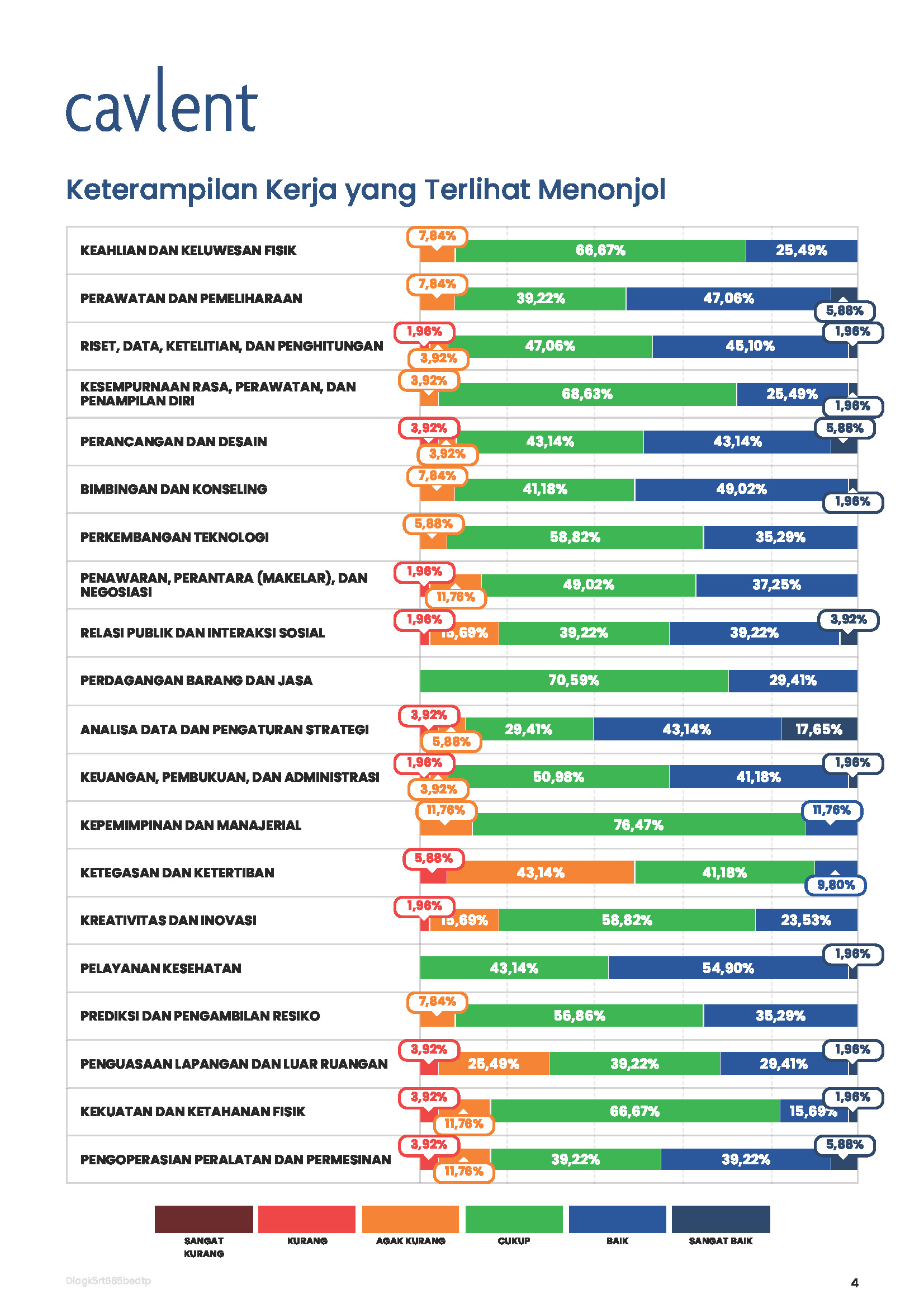
Skill Gap: Weak Leadership, Strong Data, Low Firmness

  • These findings confirm an imbalance where the managerial team is skilled at reading data and making plans, but lacks firmness, is disorderly in execution, unstable in making quick decisions, and not strong enough in leading operational teams.
  • This is what often leads to many meetings but few changes, good plans but incomplete follow-through, slow decisions, prolonged conflicts, and the Board having to "step in" to ensure execution.

Patterns Observed Across the Entire SPV & Manager Team

Strong Communication, but Weak Leadership Execution

They can explain things, but that does not automatically mobilize the team.

Many Plans, Little Implementation

High strategic tendency is not accompanied by the firmness to ensure plans run.

Good Relationships, but Not Automatically Productive

Due to high social motivation, there is a tendency to focus more on harmony than results.

Strong Data, Weak Action

Data analysis tends to be good, but decisions are slow and execution impact is minimal.

Inconsistent SOP Compliance

Low rule-following triggers performance variations between areas.

Relevance of Mapping Results For:

Business Coach

This case demonstrates that SPV/Manager performance issues often stick to behavioral mismatches, not merely skill or experience.

Coaches can perform more precise interventions. For example (based on findings in this company):

  • Strengthening firmness & execution rhythm.
  • Building work urgency.
  • Context-based decision-making.
  • Leadership coaching for middle-management.
  • Role segmentation: planner vs. executor vs. people-leader.

Relevance of Mapping Results For:

Owner & Top Management

See the Root Cause: Owners can see the root, not the symptom. It is not that "The Supervisor isn't firm enough," but that the role & behavior do not align.

Precise OD Decisions: Includes restructuring SPVs/Managers, promotions, SOP redesigns, and scope-of-work division.

Reduce Dependency on Owner: By understanding who needs tight control, who is independent, and who needs repositioning.

Reduce Cost of Wrong Placement: Leadership placement is now based on behavioral data, not seniority.

Cavlent helps companies identify behavioral mismatches at the middle management level before they impact operational performance — through behavior-based team diagnostics with same-day insight.

Explore Cavlent's solutions for team diagnostics and middle management

You might also find these useful:

Case study: behavioral mapping for leadership gap identification and promotion decisions

The importance of healthy conflict — why avoiding friction actually weakens a team

If problems are always blamed on the team — there may be an undiagnosed structural pattern

FREQUENTLY ASKED QUESTIONS

What is a Team Diagnostic in the context of people management?

A Team Diagnostic is a systematic process for understanding the collective behavioral patterns, strengths, blind spots, and potential mismatches within a team. Unlike individual assessments, a team diagnostic looks at the team as a whole — including role distribution, dominant motivations, and gaps between role expectations and actual working patterns.

Why do many Supervisors and Managers fail to perform effective control functions?

Based on this case study, the root cause is often not a lack of effort or experience — it’s behavioral mismatch. When someone’s dominant behavioral pattern leans toward planning or social relationship-building, the control functions that require firmness and execution discipline don’t come naturally, even when their title says Supervisor or Manager.

What’s the impact of weak control functions at the middle management level?

The effects cascade: SOPs aren’t followed consistently, performance varies across branches without accountability, decisions slow down because escalation paths are unclear, and owners or boards are constantly pulled into operational details. This isn’t an individual problem — it’s a structural pattern that needs to be identified and addressed systematically.

How do you tell whether a team performance problem is about skill or behavioral mismatch?

Skills can be trained and measured through technical programs. Behavioral mismatch is harder to see on the surface — it needs to be mapped through behavioral assessment. If performance doesn’t improve despite repeated training, the root cause is likely in behavioral patterns and motivation, not a skills gap.

Is coaching enough to fix behavioral mismatch at the SPV/Manager level?

It depends on how deep the gap is. Coaching is effective for developing individuals who already have the foundational behavioral tendencies relevant to their role. But if the mismatch is fundamental — for example, someone with a highly strategic behavioral profile placed in a role that demands daily operational control — repositioning may need to be considered, not just coaching.


Contact
Us